
The Ultimate Guide to 1/4 and 5/16 Reversible Nut Drivers

Why Every Trades Professional Needs a 1/4 and 5/16 Nut Driver
A 1/4 and 5/16 nut driver is a dual-size reversible hex driving tool used to fasten the two most common hex screw sizes in HVAC, roofing, and construction — all in one compact bit.
Quick answer: What is a 1/4 & 5/16 reversible nut driver?
- It drives both 1/4-inch and 5/16-inch hex fasteners
- The socket flips or reverses to switch between sizes in seconds
- Most models are impact-rated and fit standard quick-change power tool chucks
- Designed for HVAC, roofing, sheet metal, and general construction work
- Replaces two separate tools, saving space and time on the job
If you work in the trades, you already know the frustration of reaching into your tool bag for the right driver — only to grab the wrong size. That small delay, multiplied across a full day of installs, adds up fast. One HVAC tech with 18 years on the job put it simply: he owns ten of these drivers because they just work.
I'm Jacob Reese, Vice President at Standard Plumbing Supply in Salt Lake City, and through years of supporting HVAC and plumbing contractors with the right tools and supplies, I've seen how a quality 1/4 and 5/16 nut driver can cut job time and reduce the gear a crew needs to carry. In this guide, I'll walk you through everything you need to choose the right one.
Why the 1 4 5 16 Nut Driver is the Industry Standard
In professional contracting, efficiency is everything. If you look at the fasteners holding together a standard residential furnace, an outdoor AC condenser, or a commercial metal roof, you will notice a recurring theme: almost all of them use either a 1/4-inch or a 5/16-inch hex head.
These two sizes are the undisputed industry standards for sheet metal screws, ductwork connectors, and self-tapping fasteners. Because technicians must constantly switch between these two sizes on a single installation, carrying separate drivers is highly inefficient.
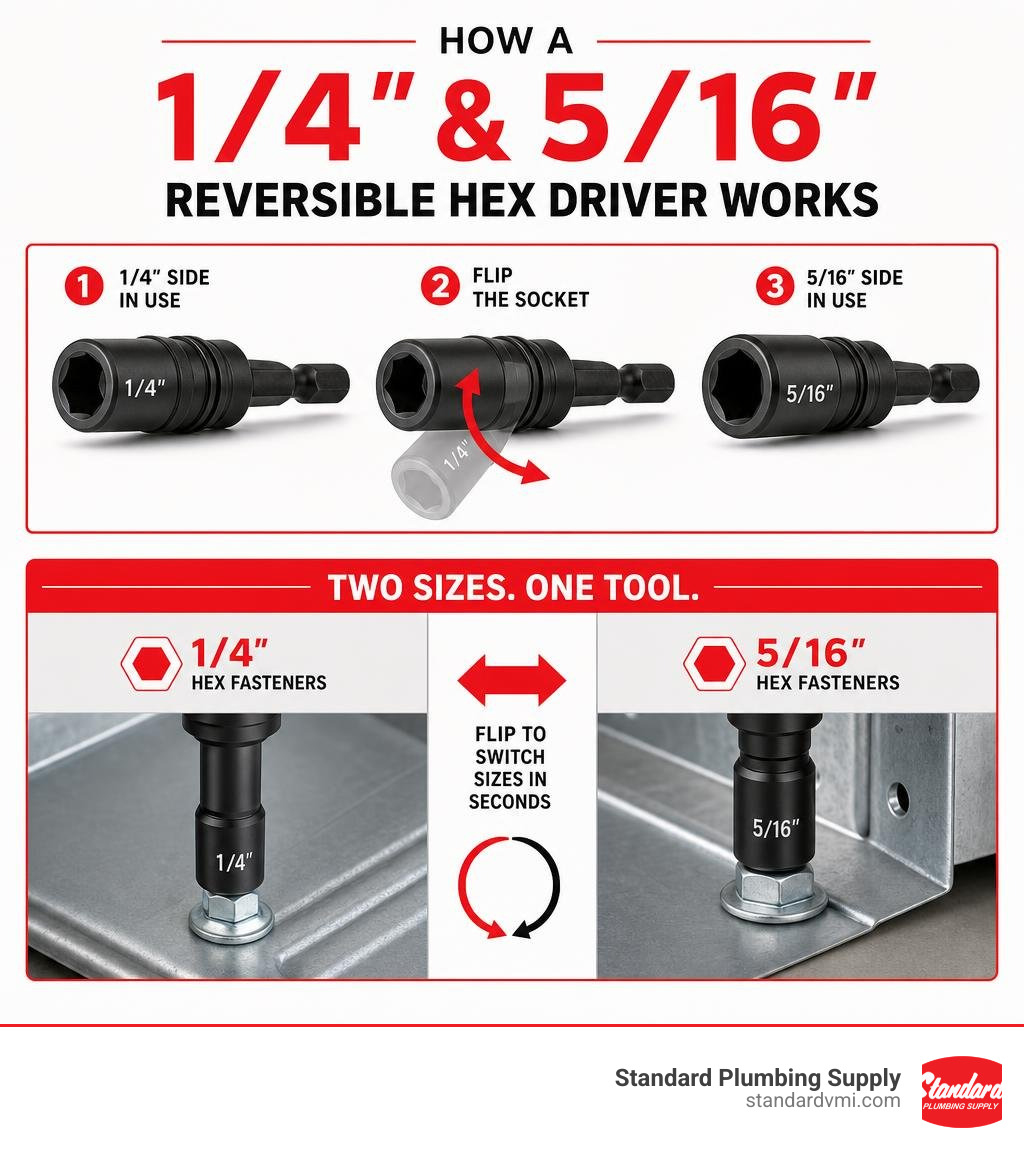
A high-quality 1 4 5 16 nut driver solves this problem by combining both sizes into a single, compact tool. Instead of fumbling around your tool belt or climbing down a ladder to grab a different driver, you simply flip the socket and keep working. The time saved over weeks and months of daily use translates directly into increased productivity and less physical fatigue.
The Convenience of Dual-Size Reversible Hex Drivers
The magic of the modern 1 4 5 16 nut driver lies in its reversible socket design. These tools typically feature a double-ended hex socket that sits on a quick-change shaft. To switch sizes, you simply pull the socket off, flip it around, and snap it back onto the shaft.
This smart engineering offers several distinct benefits:
- Drastic Weight Reduction: It cuts the weight of your tool bag by consolidating multiple heavy nut drivers into a single unit.
- Saves Valuable Space: Freeing up slots in your pouch means more room for specialized diagnostic tools, tape, or fasteners.
- Fewer Lost Tools: When you only have one primary driver to keep track of on a busy job site, you are far less likely to leave a loose bit behind in an attic or crawl space.
Choosing the Right 1 4 5 16 Nut Driver for HVAC and Roofing
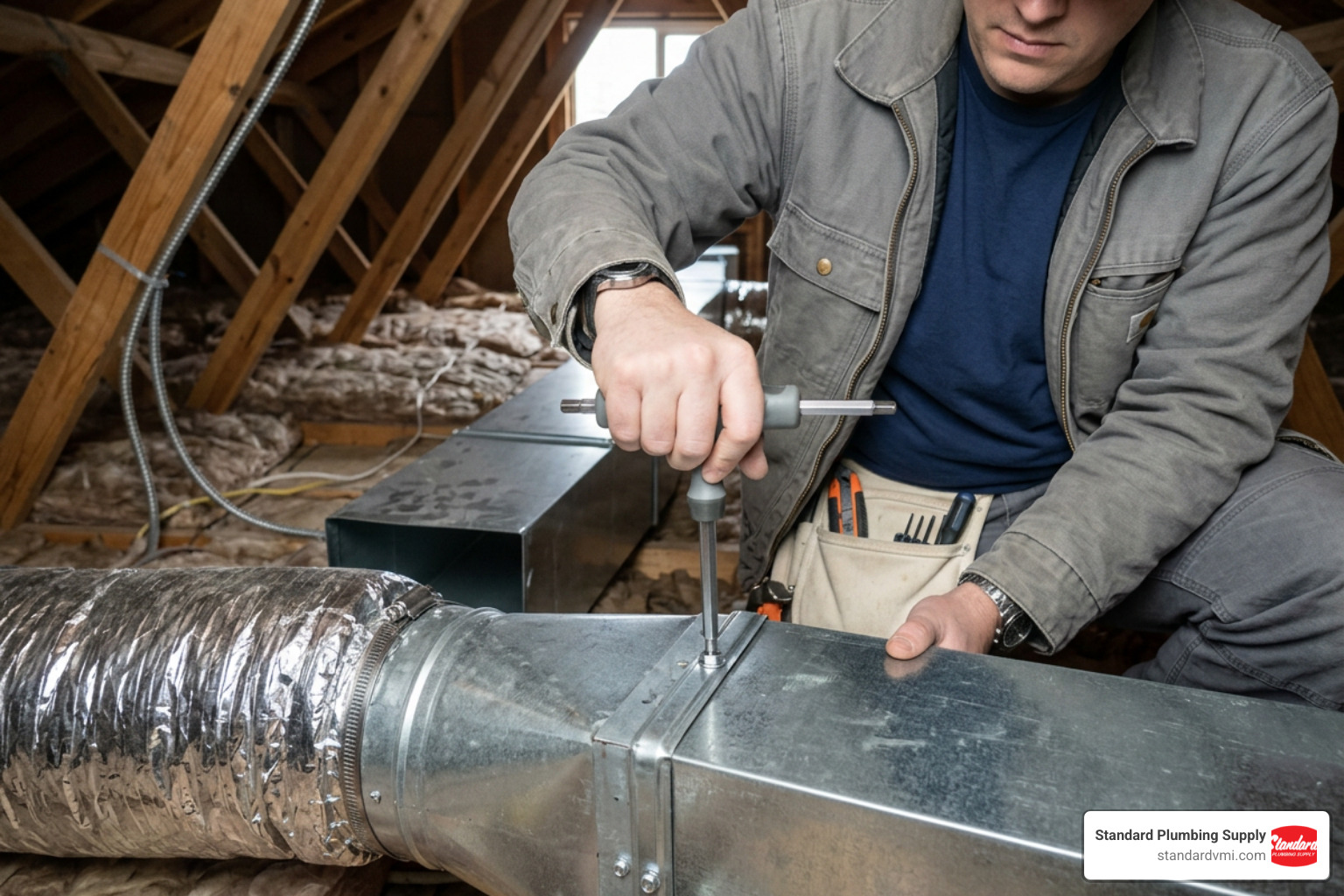
Whether you are working in the freezing winters of Heber City or the hot summer sun in Orem, your tools need to withstand harsh, real-world conditions. When selecting a 1 4 5 16 nut driver, it is vital to match the tool to your specific trade:
- HVAC Installations: Technicians frequently work inside tight furnace cabinets and dark crawl spaces. For these applications, look for drivers with strong magnetic tips to hold screws securely at awkward angles, preventing them from dropping into the blower wheel.
- Metal Roofing and Siding: Roofing work exposes tools to constant moisture, dust, and heavy impact driving. A driver used here must have superior corrosion resistance and an impact rating capable of handling thousands of self-tapping screws driven into thick steel purlins.
Key Features of High-Quality Reversible Nut Drivers
Not all nut drivers are created equal. While a cheap bargain-bin driver might last a few weeks, professional-grade work requires a tool built to withstand high torque and daily abuse. When evaluating different models, pay close attention to the steel alloy used, the torque resistance, and the overall manufacturing quality.
Impact Ratings and Torsion Zones
With the massive popularity of modern 18V and 20V impact drivers, your hand tools must be engineered to handle intense rotational shock. Standard hand-tool bits will quickly shatter or deform when used in an impact drill.
Look for impact-rated models that feature specialized torsion zones. These zones are designed to flex slightly under peak torque loads, absorbing the impact energy and preventing the hex tip from stripping or snapping. If you prefer a versatile hand tool that can transition between manual and power use, consider multi-functional options like impact-rated hybrid drivers, which combine the durability of impact-rated steel with the comfort of a manual screwdriver handle.
Magnetic Strength and Cleanable Sockets
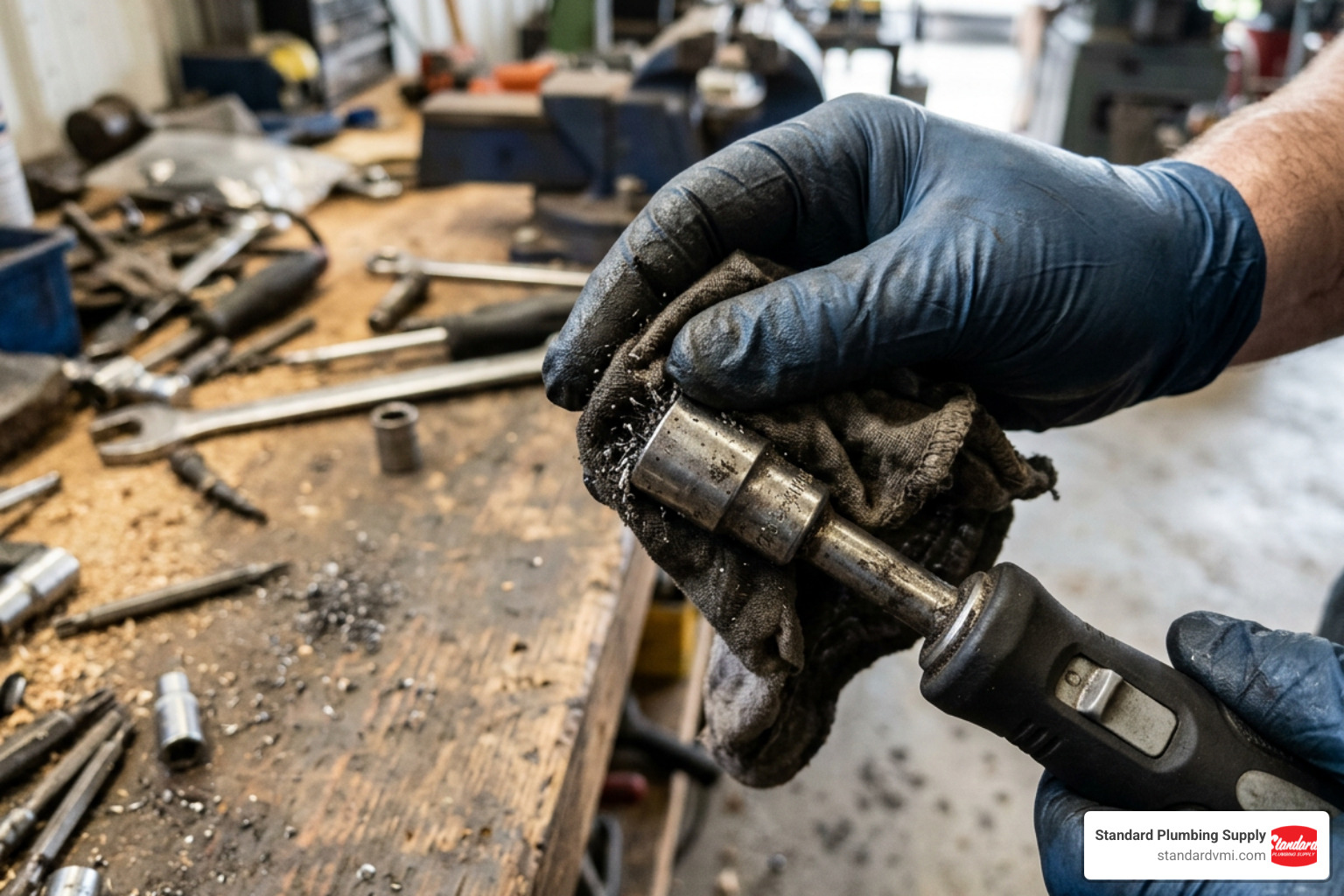
A strong magnet is essential for holding heavy fasteners in place, especially when working overhead. However, traditional magnetic drivers have a major flaw: they act as magnets for fine metal shavings and iron debris. Over time, these shavings build up inside the socket, preventing the hex head of the screw from seating fully. This leads to stripped fastener heads and endless frustration.
High-end reversible drivers, such as the popular Malco C-RHEX series, solve this issue with a patented cleanable magnet design. The magnet is positioned so that when you slide the socket off the shaft, you can easily wipe away any accumulated metal shavings with a glove or rag. This simple feature ensures your driver maintains a perfect grip on every screw, job after job.
How to Clean and Maintain Your 1 4 5 16 Nut Driver
To get the longest possible lifespan out of your 1 4 5 16 nut driver, we recommend following a simple maintenance routine:
- Remove and Wipe: At the end of every work day, pull the reversible socket off the shaft.
- Clear Shavings: Use a clean rag, a stiff brush, or even a piece of adhesive tape to pull stubborn metal filings off the magnet.
- Moisture Protection: If you were working in wet weather or snow in Sandy, wipe the shaft and socket dry. Apply a light coat of multi-purpose tool oil to prevent surface rust from forming inside the hex socket.
- Inspect the Detent: Check the ball detent on the shaft to ensure it moves freely and holds the socket securely in place.
Comparing Shaft Designs: Hollow-Shaft vs. Stubby vs. Power Drivers
The length and internal structure of your nut driver's shaft play a massive role in where and how you can use the tool. Choosing the wrong style can leave you stuck when trying to tighten a bolt in a cramped electrical panel or on a long piece of threaded rod.
| Driver Type | Ideal Application | Key Advantage | Limitation |
|---|---|---|---|
| Hollow-Shaft | Long bolts, threaded rods, stacked circuit boards | Unlimited bolt clearance | Typically manual-only, bulkier handle |
| Stubby | Tight spaces, inside small cabinets | Extremely short profile | No reach for recessed fasteners |
| Power Driver | High-speed fastening with impact drills | Fast, high torque, fits quick-change chucks | Requires power tool, limited depth |
Hollow-Shaft Drivers for Threaded Rods
When you are tightening a nut onto a long bolt or a piece of hanging threaded rod, a standard solid-shaft driver will bottom out instantly. A hollow-shaft driver features a hollow core running through the center of the shaft, allowing the excess threaded rod to pass completely through the tool.
This design is indispensable for commercial plumbing and HVAC duct suspension. For heavy-duty industrial tasks where maximum torque is required to break rusted fasteners free, look for heavy-duty hollow-shaft designs that feature color-coded handles for fast size identification and wrench-assist shafts for extra leverage.
Stubby and Extended Power Shafts
In cramped quarters, standard-length drivers simply won't fit. Stubby nut drivers, which feature a very short handle and a shaft of 1.5 inches or less, are perfect for working inside tight electrical boxes or behind closely spaced mechanical equipment.
Conversely, when you need to reach deep into a furnace or behind a structural beam, extended power shafts are the way to go. Using hollow magnetic power drivers in a 5-inch or longer configuration gives you the perfect balance of long reach, magnetic fastener retention, and power tool compatibility.
Safety Best Practices and Power Tool Integration
While a 1 4 5 16 nut driver is a straightforward tool, safety should always remain your top priority on the job site. Operating power tools without proper precautions can lead to painful injuries or damaged equipment.
- Protect Your Eyes: Always wear approved safety glasses when using impact drivers. High-torque fastening can occasionally shatter brittle fasteners or cause metal shards to fly.
- Check Insulation: Standard nut drivers are not insulated. Unless explicitly labeled as such, never use them on or near live electrical circuits. Always lock out and tag out electrical panels before beginning work.
- Respect Torque Limits: Do not use cheater bars or pliers on manual nut driver handles to force a stubborn bolt. If a fastener is seized, switch to a dedicated impact wrench or apply penetrating oil first.
- Proper Power Tool Settings: When using a reversible driver bit in an impact driver, ensure the tool is set to the appropriate speed. Over-torquing small 1/4-inch sheet metal screws can easily strip out the pre-drilled holes in thin sheet metal.
Frequently Asked Questions about Reversible Hex Drivers
What is the benefit of a cleanable magnetic driver?
The primary benefit is the elimination of debris buildup. Traditional magnetic drivers trap metal dust and shavings inside the hex socket, which eventually prevents the driver from making full contact with the fastener head. A cleanable design allows you to easily remove the socket and wipe away all accumulated metal debris, keeping your tool performing like new.
Can I use a reversible nut driver with an impact driver?
Yes, provided the nut driver is explicitly rated for impact use. Impact-rated drivers are made from high-strength steel alloys and feature optimized geometry to handle the rapid, high-torque blows of an impact drill without cracking.
What is the difference between hollow-shaft and solid-shaft drivers?
A solid-shaft driver has a solid metal core, meaning it can only drive nuts onto bolts that are shorter than the depth of the socket. A hollow-shaft driver has a hollow tube running through the shaft, allowing long bolts or threaded rods to pass through the tool so you can tighten nuts to any depth.
Conclusion
A high-quality 1 4 5 16 nut driver is one of the smartest, most cost-effective investments any tradesperson can make. By replacing multiple bulky tools with a single, highly efficient, reversible driver, you can streamline your workflow, lighten your tool load, and complete your projects faster.
At Standard Plumbing Supply, we are dedicated to providing contractors across Utah — from Heber City and Sandy to Orem — with the absolute best tools, expert local support, and fast, reliable shipping. If you are looking to optimize your business operations, reduce overhead, and keep your service vans fully stocked without tying up your cash flow, explore our Standard Plumbing Supply VMI Solutions today. Stop by one of our local Utah branches or contact our team to find the perfect gear for your next job!